All Scripture is Given by Inspiration
of God for
Doctrine / Reproof / Correction /
Instruction in Righteousness
(2 Timothy 3: 16)
During his Missionary
Journey beginning circa 40 AD, the Apostle Paul wrote concerning these
areas:
· Doctrine (Teaching Principles of
Christianity) – Book of Romans (circa 64 AD)
· Reproof (Criticism / Reprimand re Various
Problems) – Books of I and II Corinthians (circa 61-62 AD)
· Correction (Restoration to Upright
State re Grace vs Legalism) – Book of Galatians (circa 60 AD)
· Instruction in Righteousness (Education
re Attaining a state Approved of God – Books of I and II Thessalonians (circa 57-58
AD)
These were fundamental
concepts for those being newly introduced to Christianity and Paul’s Gospel of
Grace. They were written as a follow-up to earlier visits he had made to those
small congregations of believers. Some believers were Jews he had converted.
Otherwise he evangelized carnal / formerly idolatrous Gentiles. Paul only wrote to believers.
BACKGROUND:
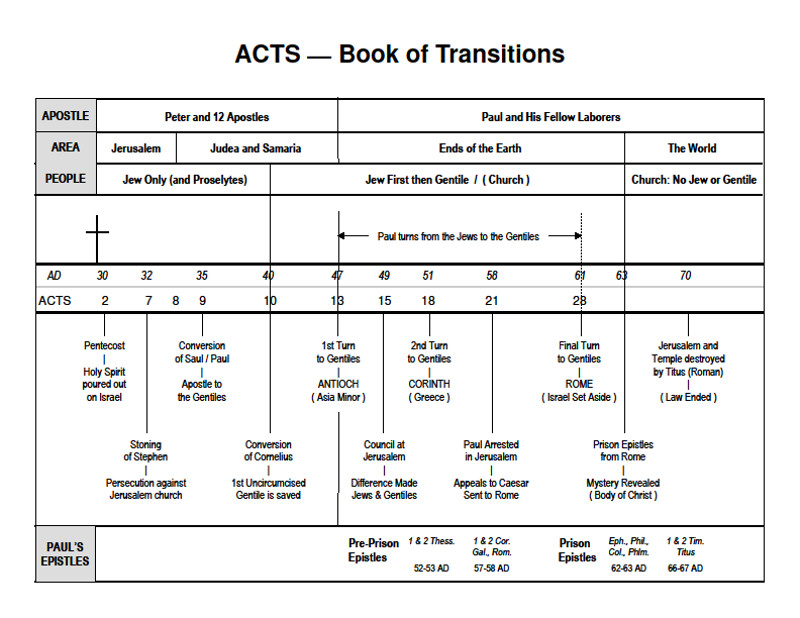
The Book of
Acts is called the “Book of Transition” because it chronicles the transition of
God’s Plan for the redemption of mankind. In brief, it begins with the
Ascension of the Lord Jesus Christ at the close of His Earthly Ministry,
following His death, burial and Resurrection. Despite strong efforts by the
Apostle Peter and the new disciple Stephen to convince Israel to repent for
having rejected and demanding the crucifixion of their Messiah Jesus, Israel
would not budge. As a result, God’s Plan to have Israel teach the Gentile world
God’s Moral Law to obtain righteousness (Exodus Chapters 19 and 20) through the
Abrahamic Covenant (Genesis 12: 1-3) was not implemented.
The Ascended
Lord Jesus then turned to a single Jew, Saul of Tarsus (later named Paul) who
had been the violent chief opponent of Christ’s Earthly Ministry. The Lord
saved him by Grace and charged him to be “the Apostle to the Gentiles.” (Romans
11: 13; Ephesians Chapter Three) Paul met with tremendous opposition wherever
he journeyed. (Acts 26: 1-23; 2 Corinthians 11: 21-33) However he persevered to
follow God’s Plan to bring salvation to all who would receive it. (1
Corinthians 15: 1-4; Romans 10: 9-13).
After Paul’s
enemies had him falsely accused , he was delivered to Rome and placed under
house arrest for two years prior to his martyrdom. During that period, he wrote what have been called
his “Prison Epistles” to the remaining congregations. (Acts 28: 16-31) Those parts of our Scripture followed the
same order of his teachings as noted above. Although the order is the same, the
content of each requires a higher-level understanding of the Lord’s message to
us:
· Doctrine – Book of Ephesians (circa
62 – 63)
· Reproof – Book of Philippians (circa 62
– 63)
· Correction – Book of Colossians
(circa 62 – 63)
Hopefully these
distinctions will help Bible students, Christian and others, to better
appreciate another aspect of the intricacy of how the Holy Spirit has developed
and organized God’s messages. Also, n conducting research for this post on my
blog, I found the chart below. It was developed by the Grace Bible Church, Ft.
Worth, Texas, and I highly recommend it to you.

Source:
https://www.gracebiblechurch-fw.com/wp-content/uploads/2019/04/Acts-Book-of-Transitions.jpg
Dr.
W. A. (Bill) Robinson


No comments:
Post a Comment